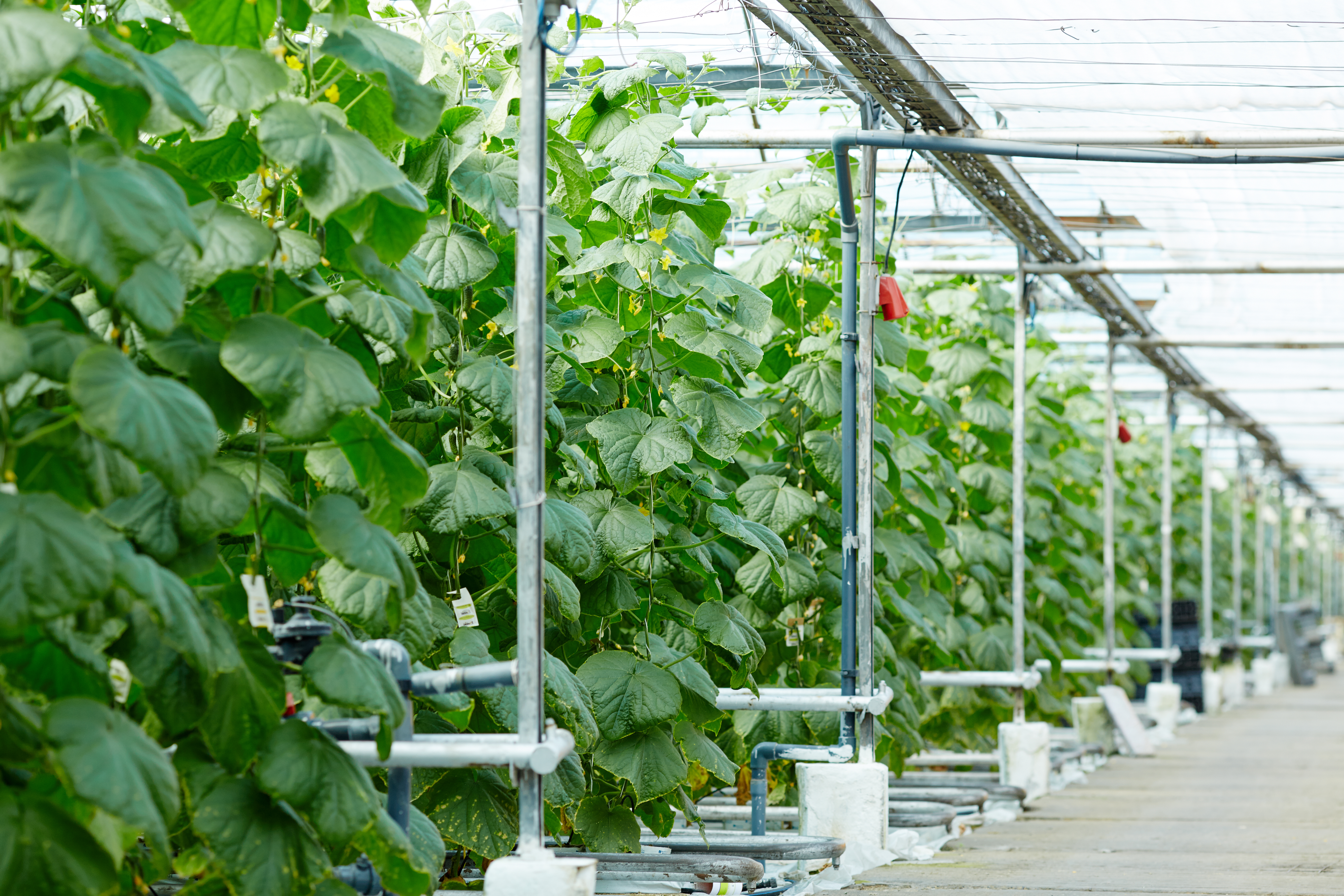
Hydroponic farming, which is the method of growing plants without soil by using nutrient-rich water, often feels like the future of agriculture. Pictures of vertical farms lit with LED lights make it seem like a clean and modern answer to food insecurity and climate change. Even with this promise, hydroponic farming is still not a common choice. Traditional farming continues to dominate across the world, especially in regions where agricultural methods have remained unchanged for generations.
The most significant reason for the slow adoption of hydroponics is cost. Setting up a hydroponic farm requires a large upfront investment in equipment that includes pumps, lighting, climate control systems, and water circulation technology. Even a small home system can be expensive. For commercial farms, this investment can be intimidating, and for traditional farmers, especially those in developing countries, the financial risk can feel too high.
Another obstacle is the technical knowledge required. Soil naturally balances nutrients and supports biodiversity. Hydroponic systems, on the other hand, need constant supervision. Farmers must monitor pH levels, nutrient concentration, water flow, humidity, and temperature. If any part of the system fails, such as a power outage or pump malfunction, crops can be damaged very quickly. This dependence on technology makes many farmers cautious, especially in places with unreliable power.
Energy consumption is also a common concern. Many hydroponic farms depend on artificial lighting, which increases electricity use and operational costs. Unless renewable energy is available and affordable, this becomes a major limitation. Regions with high electricity prices or inconsistent supply find it difficult to sustain such systems.
Even with these challenges, the benefits of hydroponic farming are significant and increasingly important. Hydroponic systems use up to 90 percent less water than traditional farming because the water is recirculated instead of lost to the soil or evaporation. As water scarcity becomes a global threat, this efficiency is extremely valuable.
Hydroponics is also ideal for areas with limited space. These systems can be set up in urban buildings, deserts, rooftops, and regions with infertile land. Vertical stacking and compact layouts increase the yield per square foot. This makes fresh produce available to people who live far from fertile farmland and also reduces the environmental impact of transporting food over long distances.
Another major advantage is consistency. Since hydroponic farms operate in controlled environments, crops are protected from unpredictable weather, pests, and soil-based diseases. Drought, floods, heatwaves, and poor soil conditions do not affect these systems in the same way. This reliability can help countries facing the growing challenges of climate change.
Hydroponic crops also grow faster because they receive precisely balanced nutrients. This leads to higher yields with fewer resources and often allows farmers to grow crops throughout the year.
In summary, hydroponic farming is not common because it is expensive, technical, and energy-dependent. However, it remains a promising and practical solution that is water-efficient, space-saving, climate-resilient, and capable of producing consistent results. As technology becomes cheaper and renewable energy becomes more accessible, hydroponics may grow into a key part of the future of agriculture.