1. Introduction
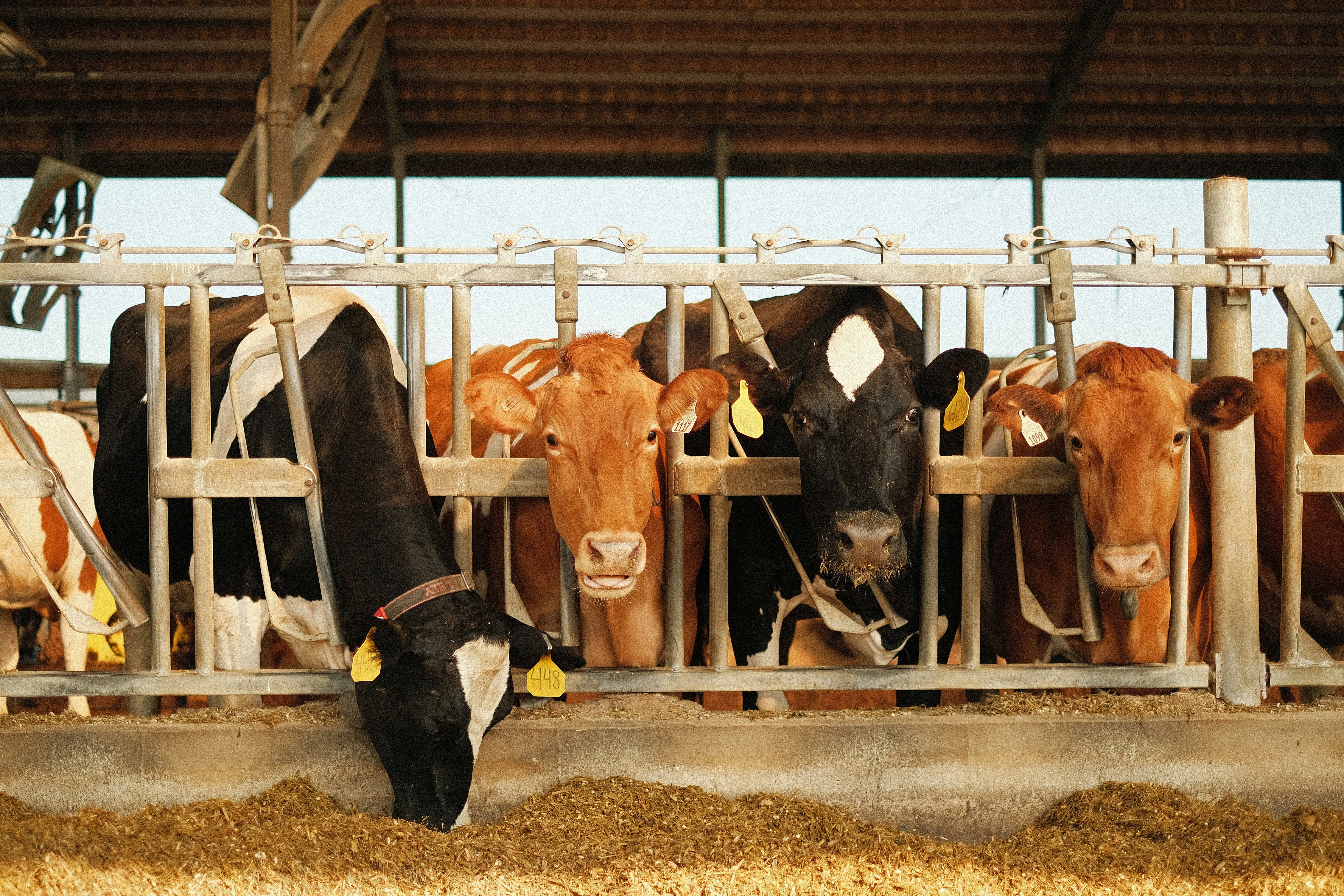
Dairy farming is one of the most important agricultural activities worldwide, responsible for producing milk and a wide variety of milk-based products such as curd, butter, ghee, paneer, cheese, and yogurt. It provides a stable source of income for farmers and supports millions of rural households.
---
2. What Is Dairy Farming?
Dairy farming refers to the management and care of dairy animals—primarily cows and buffaloes—for the purpose of producing milk. The milk obtained is either sold directly or processed into value-added dairy products.
---
3. Importance of Dairy Farming
Provides essential nutrients like calcium, proteins, vitamins, and minerals.
Generates regular income for farmers.
Creates employment in rural areas.
Contributes significantly to the Indian agricultural GDP.
Supports industries like food processing, transportation, and packaging.
---
4. Breeds Suitable for Dairy Farming
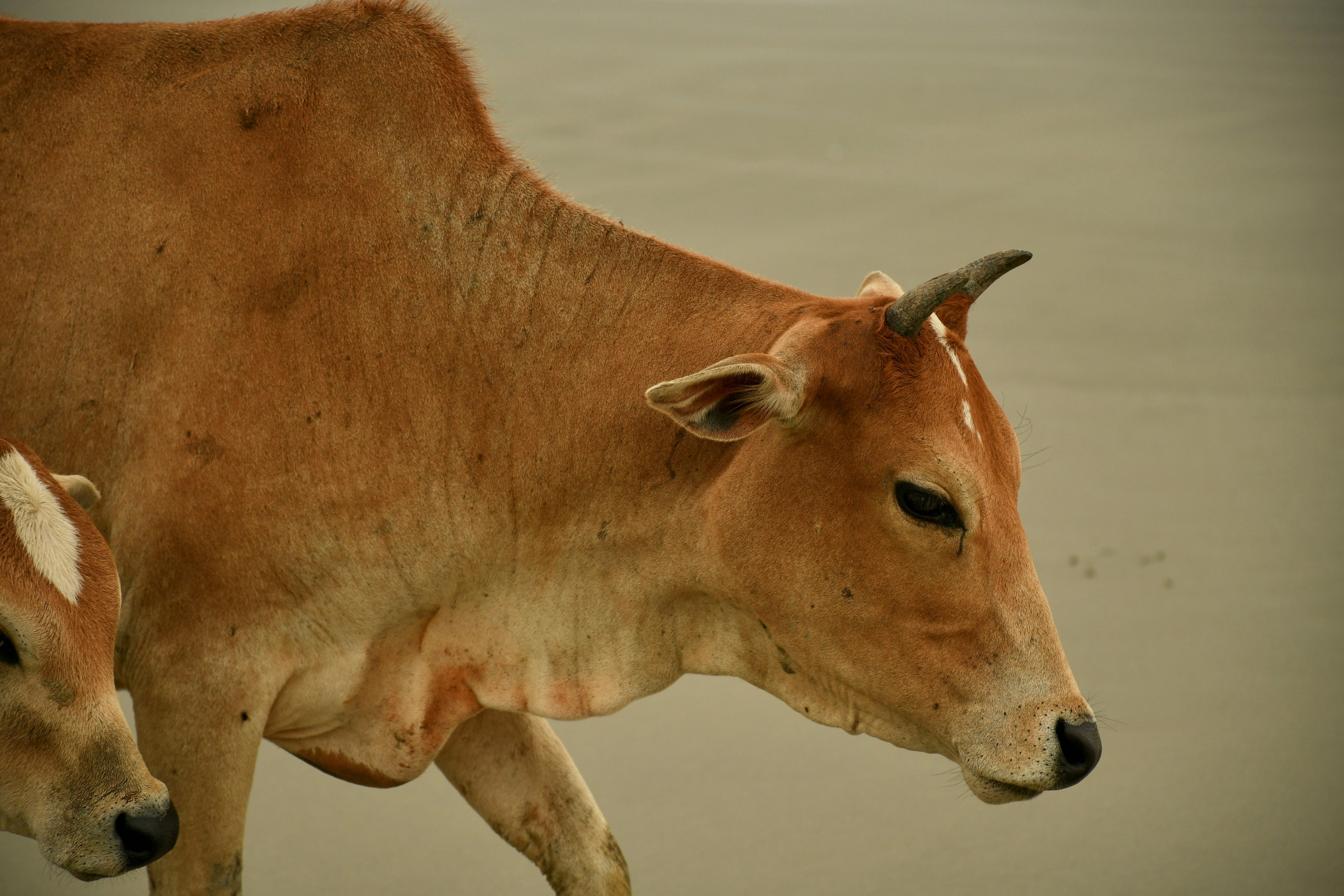
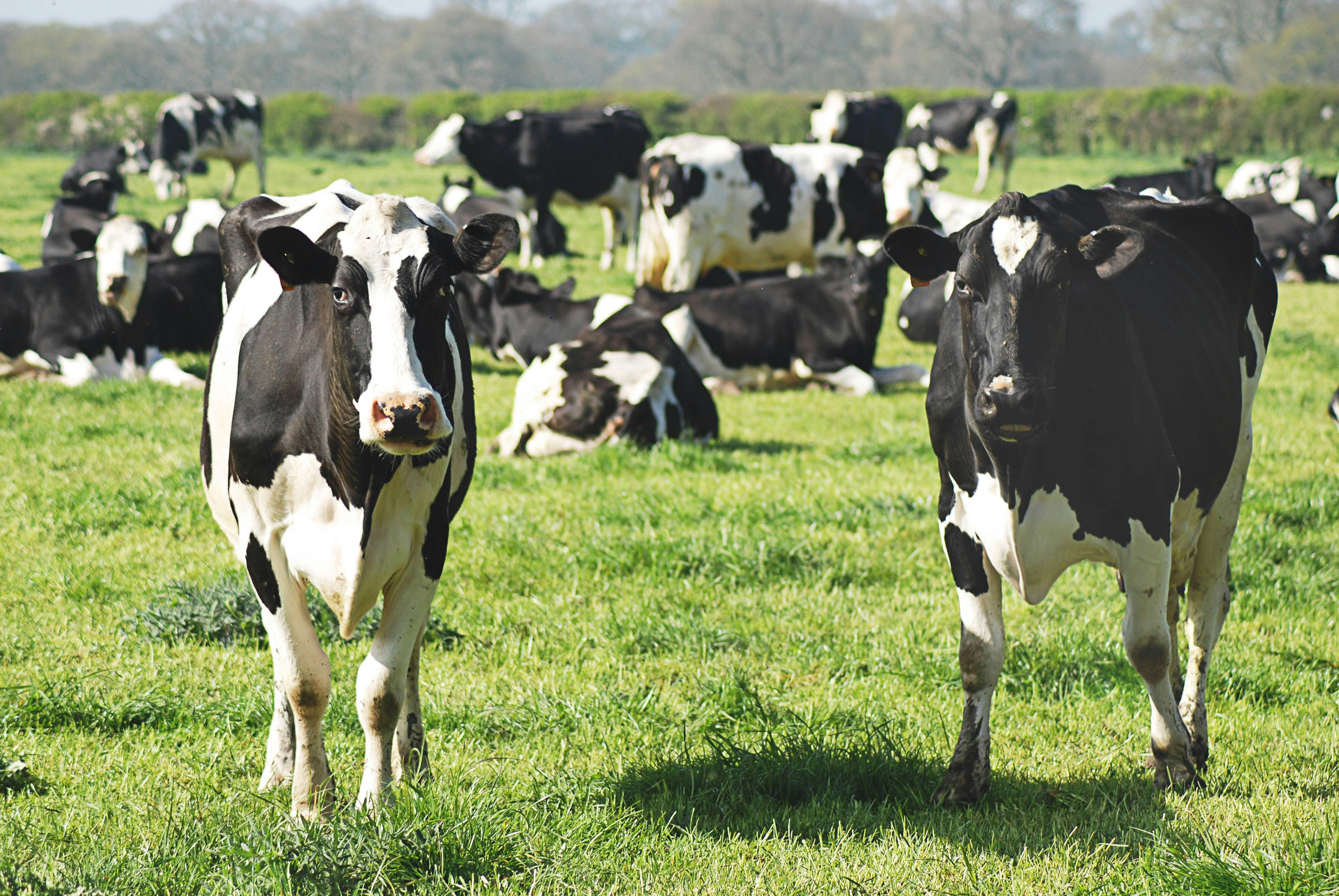
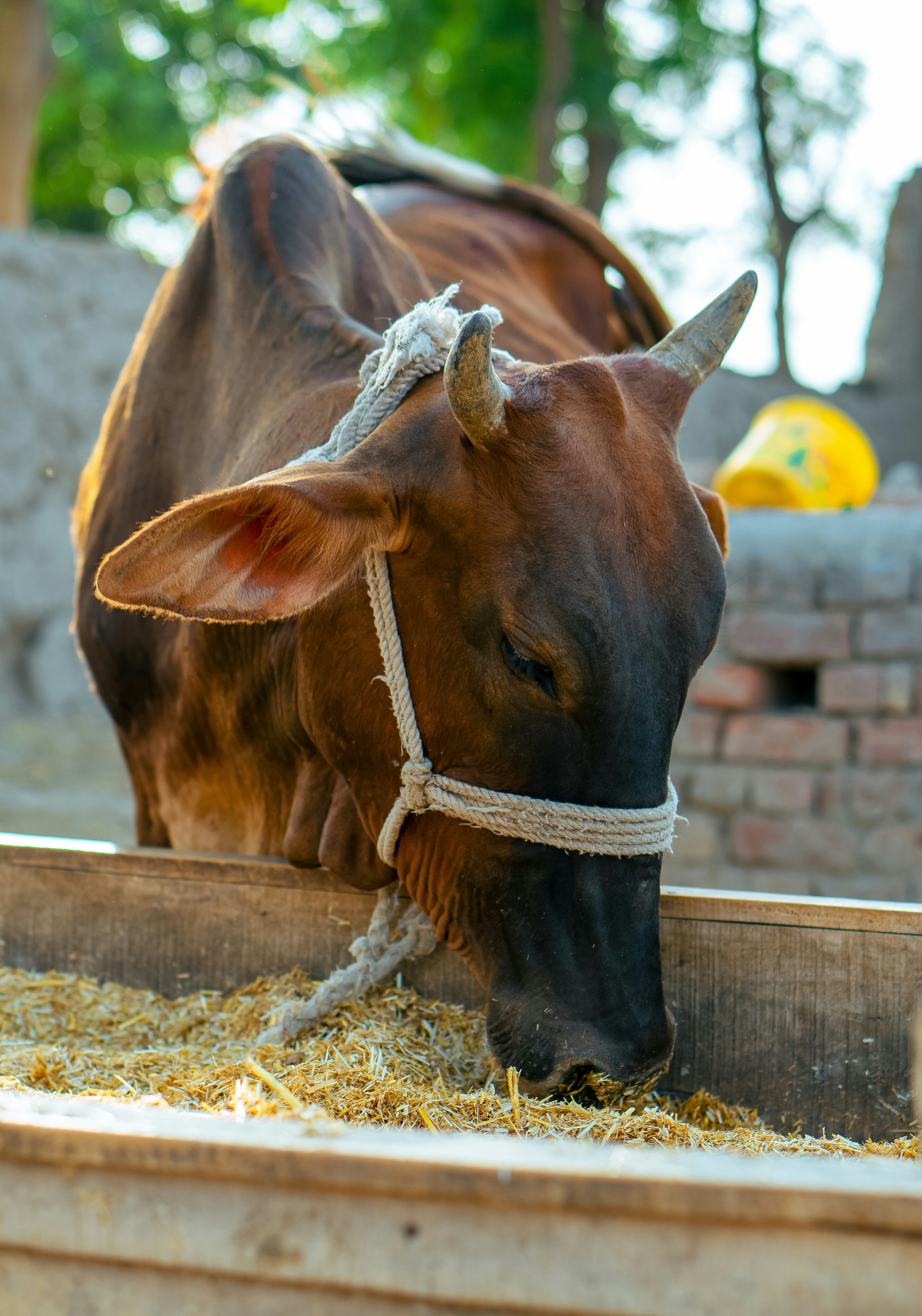
A. Popular Cow Breeds
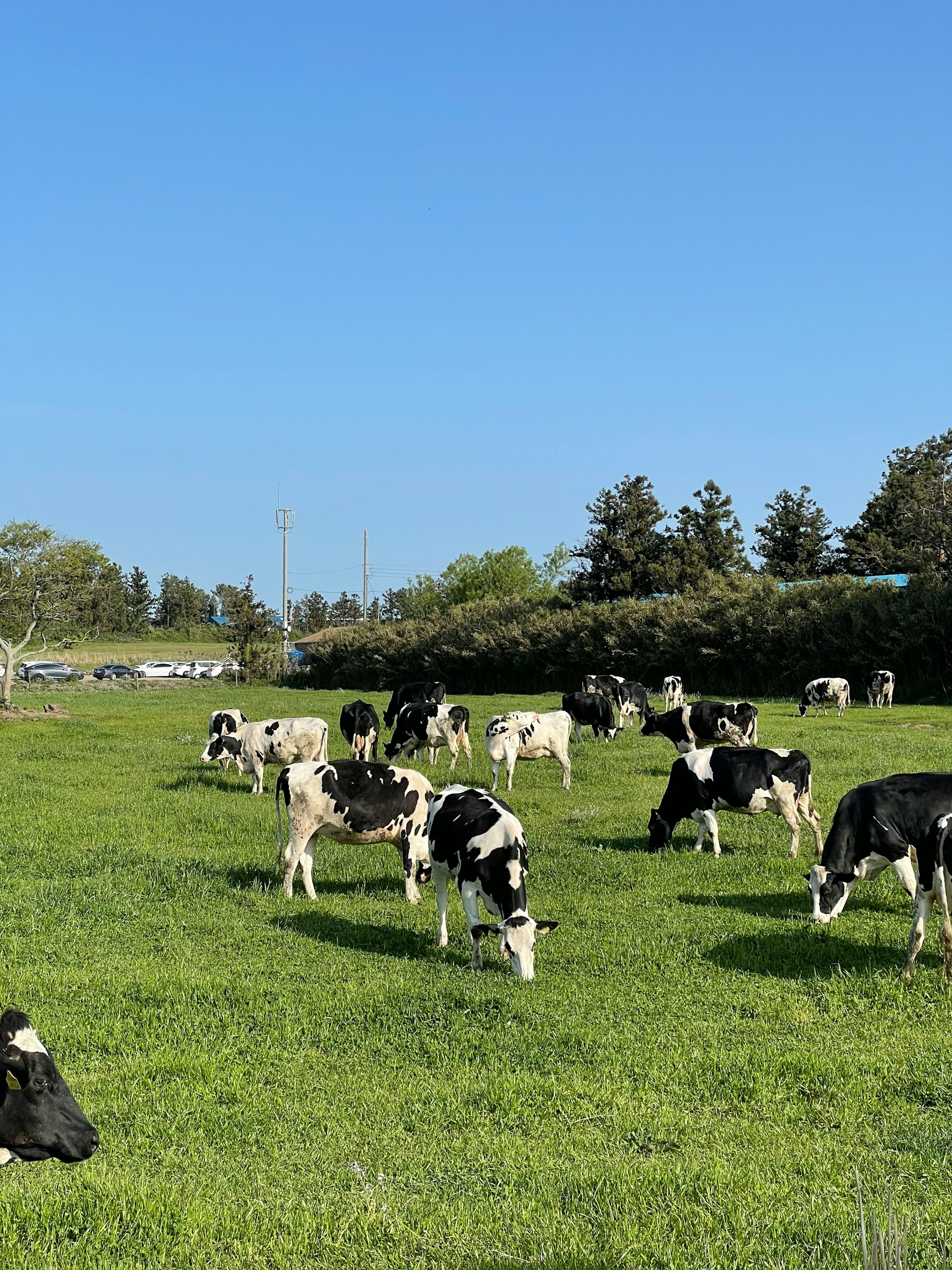
Holstein Friesian
Jersey
Gir
Sahiwal
Red Sindhi
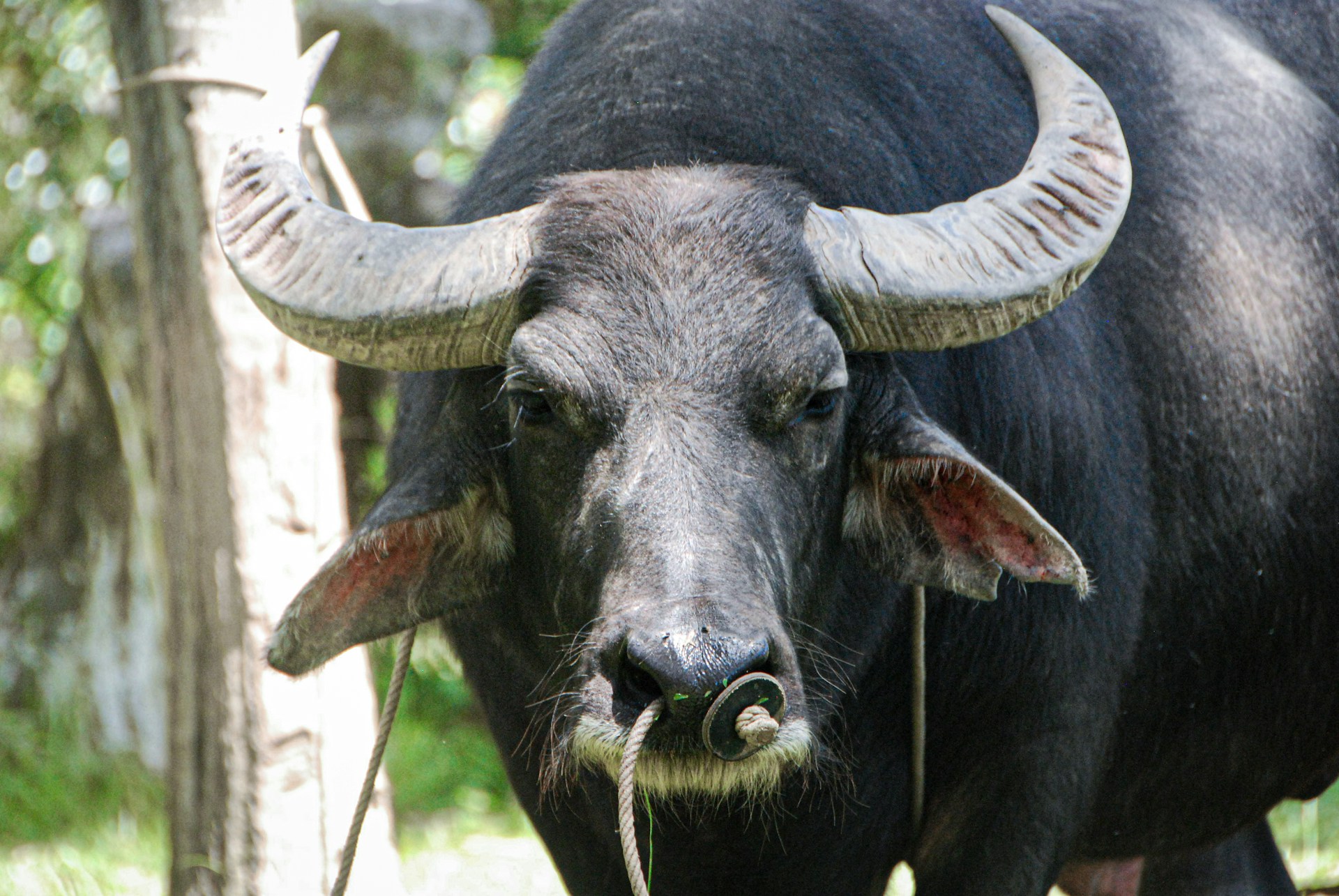
B. Popular Buffalo Breeds
Murrah
Jaffarabadi
Mehsana
Surti
---
5. Dairy Farm Requirements
A. Land & Housing
Well-ventilated shed with pucca flooring.
Proper drainage system.
Green fodder cultivation area (optional but beneficial).
Clean water supply.
B. Equipment Needed
Milking machine (optional).
Feeders and waterers.
Storage room for feed.
Veterinary kit.
Waste disposal system.
---
6. Feeding & Nutrition
A dairy animal’s diet must include:
Green fodder (Napier, Maize, CO-4, CO-5).
Dry fodder (hay, paddy straw).
Concentrates (protein-rich, mineralized feed).
Mineral mixture & salt.
Constant clean drinking water.
Balanced feeding directly affects milk production and animal health.
co
---
7. Breeding & Reproduction
Ideal breeding age: 15–18 months.
Use artificial insemination (AI) for better genetics.
Pregnant animals need special care, nutrient-rich feed, and a stress-free environment.
---
8. Animal Health Management
To maintain high milk production:
Schedule regular vaccination (FMD, HS, BQ).
Deworm animals every 3–6 months.
Maintain cleanliness to prevent infections like mastitis.
Regular veterinary check-ups.
---
9. Milk Production Process
1. Clean the animal and udder.
2. Ensure sanitized equipment.
3. Use hand milking or a milking machine.
4. Filter milk and store in stainless steel cans.
5. Maintain cold storage for transportation.
---
10. Waste Management
Dung can be used for:
Organic manure.
Bio-gas production.
Vermicomposting.
Waste management improves hygiene and adds extra income.
---
11. Economic Benefits
Steady and daily income.
Low marketing risk—milk always has demand.
High profitability if managed properly.
By-products like dung and urine add revenue.
---
12. Challenges in Dairy Farming
High initial investment for quality animals.
Rising fodder prices.
Lack of veterinary access in rural areas.
Diseases if hygiene is poor.
Proper management can overcome most of these challenges.
---
13. Dairy Farm Business Model
A. Small Scale
2–10 animals
Low investment, ideal for rural households.
B. Medium Scale
20–50 animals
Requires commercial setup, machinery, and staff.
C. Large Scale
100+ animals
Fully automated operations, bulk milk supply contracts.
---
14. Profitability Example (Small Farm)
10 high-yield cows producing 10 liters/day each:
Total milk/day: 100 liters
Selling price: ₹40/liter
Daily income: ₹4,000
Monthly income: ₹1,20,000
After expenses, net profit: ₹40,000 – ₹60,000 per month
(Values vary by breed, feed costs, and region.)
---
15. Conclusion
Dairy farming continues to be a profitable and sustainable business for farmers, provided proper care, feeding, and management practices are followed. With the right breeds, scientific feeding, and good hygiene, dairy farming can generate long-term stable income and contribute significantly to rural development.